
 By Aliza Beth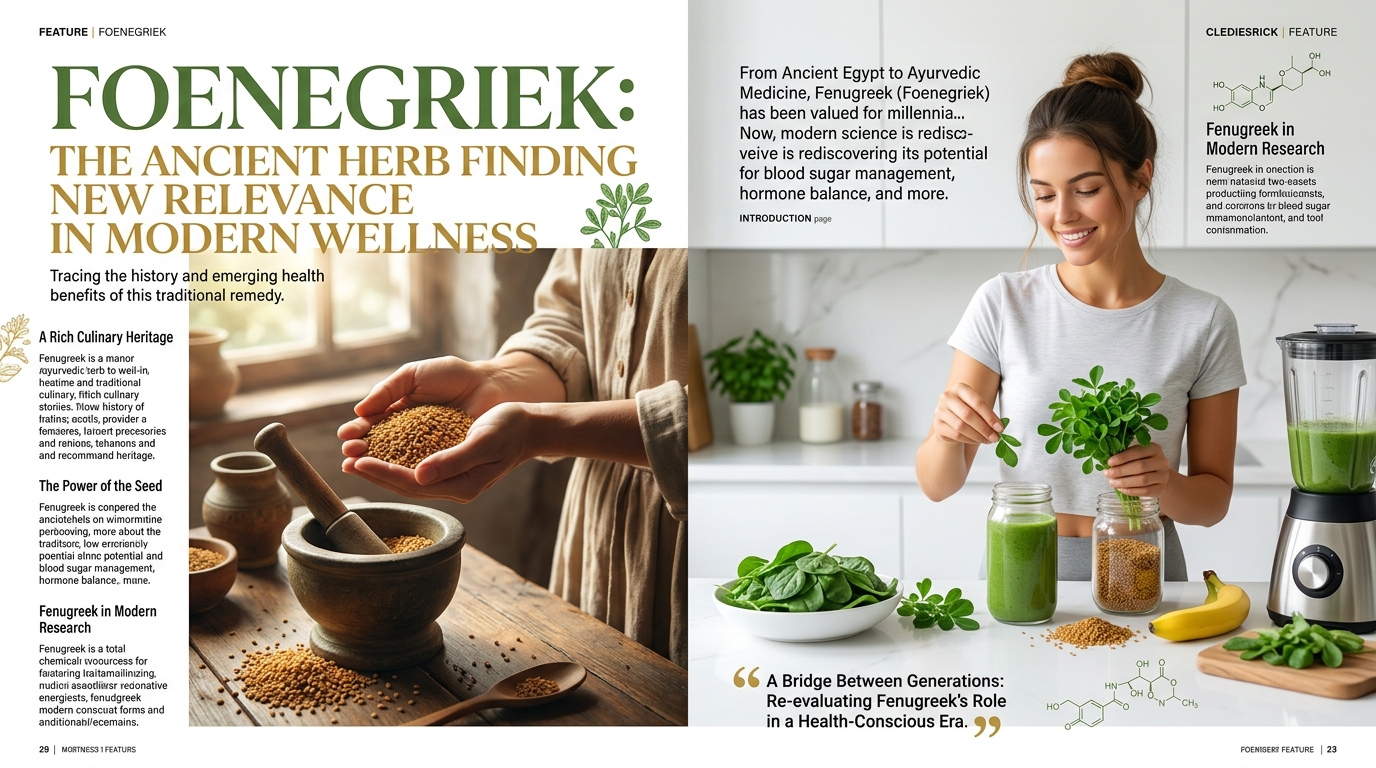
The story begins in a bustling marketplace centuries ago. Merchants traded spices, medicinal plants, and rare herbs gathered from distant lands. Among the fragrant sacks and woven baskets was a humble seed known for its distinct aroma and remarkable versatility. That seed was foenegriek, a plant that has traveled through cultures, traditions, and generations to become one of the most intriguing natural ingredients in modern health and wellness conversations.
Today, consumers are increasingly interested in natural remedies, functional foods, and holistic approaches to well-being. As a result, foenegriek has gained renewed attention among nutrition experts, herbal practitioners, researchers, and wellness enthusiasts. While many ancient herbs have faded into obscurity, this traditional botanical continues to attract interest because of its nutritional value, culinary applications, and potential health benefits.
Understanding why foenegriek remains relevant requires exploring its history, nutritional profile, cultural significance, and growing role in contemporary lifestyles. Its journey from traditional medicine cabinets to modern kitchens offers a fascinating glimpse into how ancient knowledge continues to influence today’s health trends.
What Is Foenegriek?
Foenegriek is the Dutch name for fenugreek, a plant scientifically known as Trigonella foenum-graecum. Native to parts of the Mediterranean region, Western Asia, and North Africa, it has been cultivated for thousands of years for both culinary and medicinal purposes.
The plant produces small golden-brown seeds that possess a unique flavor profile often described as slightly sweet, nutty, and mildly bitter. Its leaves are also edible and commonly used in various traditional cuisines around the world.
Historically, civilizations including the Egyptians, Greeks, Romans, and Indians valued foenegriek for its versatility. It was used in food preparation, herbal remedies, and even agricultural practices. Ancient texts frequently reference the herb, highlighting its importance across different cultures.
What makes foenegriek particularly interesting is its ability to bridge the gap between food and wellness. Unlike many ingredients that serve a single purpose, it has found applications in nutrition, traditional medicine, personal care, and modern health products.
A Rich History Rooted in Tradition
Few herbs possess a history as extensive as foenegriek. Archaeological discoveries suggest that it was cultivated and utilized thousands of years ago. Ancient Egyptians reportedly included it in medicinal preparations and ceremonial practices.
In traditional Indian systems of wellness, fenugreek has long been valued as a staple ingredient. Its seeds and leaves became integrated into everyday diets and herbal formulations, contributing to its enduring popularity throughout South Asia.
Across the Mediterranean, foenegriek appeared in both culinary and medicinal traditions. Communities recognized its distinctive flavor and believed it contributed to overall well-being. Over time, trade routes helped spread the herb to different regions, introducing new populations to its benefits.
The continued use of foenegriek across generations demonstrates how certain natural ingredients maintain their relevance despite evolving lifestyles and scientific advancements.
Nutritional Composition of Foenegriek
One reason for the growing interest in foenegriek is its impressive nutritional profile. The seeds contain a variety of nutrients that contribute to their popularity among health-conscious consumers.
The composition of foenegriek includes dietary fiber, protein, vitamins, minerals, and plant compounds. These components have made it a subject of scientific research aimed at understanding its potential effects on health and wellness.
Key Nutrients Found in Foenegriek
| Nutrient Component | Potential Role |
|---|---|
| Dietary Fiber | Supports digestive health |
| Protein | Contributes to muscle maintenance |
| Iron | Supports oxygen transport in the body |
| Magnesium | Important for numerous bodily functions |
| Antioxidants | Help protect cells from oxidative stress |
| Plant Compounds | Contribute to overall wellness properties |
This combination of nutrients helps explain why foenegriek remains a valued ingredient in both traditional and modern dietary practices.
Foenegriek in Culinary Traditions
Food often serves as the most accessible introduction to a traditional ingredient. In the case of foenegriek, culinary use remains one of its strongest connections to everyday life.
The seeds are commonly incorporated into spice blends, sauces, curries, and baked goods. Their distinctive flavor adds depth and complexity to dishes while complementing a variety of ingredients.
In South Asian cuisine, foenegriek seeds and leaves play important roles in numerous recipes. The leaves, often referred to as methi, contribute a unique taste to breads, vegetables, and stews.
Middle Eastern and Mediterranean cuisines also make use of the herb in different forms. Whether used as a seasoning, garnish, or primary ingredient, foenegriek demonstrates remarkable versatility in the kitchen.
Modern chefs increasingly explore traditional ingredients to create innovative dishes. As interest in global cuisine continues to expand, foenegriek is finding new audiences among adventurous cooks and food enthusiasts.
The Growing Interest in Natural Wellness
Over the past decade, consumer preferences have shifted significantly toward natural wellness solutions. People are increasingly seeking ingredients that align with holistic health philosophies and support balanced lifestyles.
This trend has contributed to the resurgence of interest in herbs like foenegriek. Consumers appreciate ingredients with long histories of traditional use, especially when supported by emerging scientific research.
The wellness industry has embraced foenegriek in various forms, including teas, powders, capsules, extracts, and functional foods. Its versatility allows manufacturers to incorporate it into diverse product categories.
Importantly, modern interest in foenegriek reflects a broader movement toward preventive wellness. Rather than focusing solely on addressing health concerns after they arise, many individuals seek nutritional strategies that support overall well-being over time.
Scientific Research and Modern Perspectives
The relationship between traditional knowledge and scientific research has become increasingly important in the wellness sector. Researchers continue to investigate the properties of foenegriek to better understand its nutritional and physiological effects.
Studies have explored various areas including digestion, metabolism, nutritional support, and general wellness applications. While research continues to evolve, interest in the herb remains strong among academics and health professionals.
Scientific inquiry helps provide context for traditional practices while identifying opportunities for future applications. This combination of historical use and contemporary research contributes to the enduring appeal of foenegriek.
Consumers today are often more informed than previous generations. They seek evidence-based information alongside traditional wisdom, making scientific investigation particularly valuable in understanding herbs and botanicals.
Foenegriek and Sustainable Food Trends
Sustainability has become a major consideration in modern food systems. Consumers increasingly evaluate ingredients based not only on nutritional value but also on environmental impact and agricultural sustainability.
Foenegriek aligns with several trends associated with sustainable agriculture. It has historically been cultivated in diverse climates and integrated into various farming systems. In some regions, it contributes to soil health and agricultural productivity.
The growing popularity of plant-based nutrition has also created new opportunities for traditional ingredients. As consumers explore alternative sources of nutrients and functional foods, foenegriek continues to attract attention.
This connection between sustainability and nutrition positions the herb as a relevant ingredient in discussions about future food systems.
The Consumer Appeal of Traditional Ingredients
One fascinating aspect of modern wellness culture is the renewed appreciation for traditional ingredients. Consumers increasingly seek products with authentic histories and meaningful cultural connections.
Foenegriek exemplifies this trend. Its centuries-long history provides a sense of credibility and authenticity that many modern products struggle to achieve. People are often drawn to ingredients that have stood the test of time.
This appeal extends beyond health considerations. Traditional ingredients frequently carry cultural stories, culinary heritage, and historical significance that enrich the consumer experience.
Brands and product developers recognize the value of these narratives. As a result, ingredients like foenegriek continue to appear in innovative products that blend ancient traditions with contemporary lifestyles.
Looking Ahead: The Future of Foenegriek
As wellness trends continue to evolve, the future appears promising for traditional botanicals with established histories and diverse applications. Foenegriek is well-positioned to benefit from growing interest in natural nutrition, functional foods, and holistic health approaches.
Advances in scientific research may provide deeper insights into its nutritional properties and potential applications. At the same time, culinary innovation will likely introduce the herb to new audiences around the world.
Consumer demand for transparency, authenticity, and sustainability further supports the continued relevance of traditional ingredients. Foenegriek meets many of these expectations while offering a unique combination of history, flavor, and nutritional value.
Its adaptability across cultures and industries suggests that it will remain a meaningful part of wellness conversations for years to come.
Conclusion
The story of foenegriek demonstrates how ancient ingredients can maintain their relevance in a rapidly changing world. From its origins in traditional agriculture and herbal practices to its growing role in modern nutrition and wellness, the herb has successfully bridged generations of knowledge and innovation.
Its rich history, impressive nutritional profile, culinary versatility, and ongoing scientific interest continue to attract attention from consumers, researchers, and wellness professionals alike. As society increasingly values natural, sustainable, and authentic solutions, foenegriek stands out as a remarkable example of an ingredient that has endured through centuries of change.
Whether appreciated for its flavor, cultural significance, or nutritional qualities, foenegriek remains a compelling reminder that some of the most valuable wellness insights can often be found by looking to the past.