
 By Aliza Beth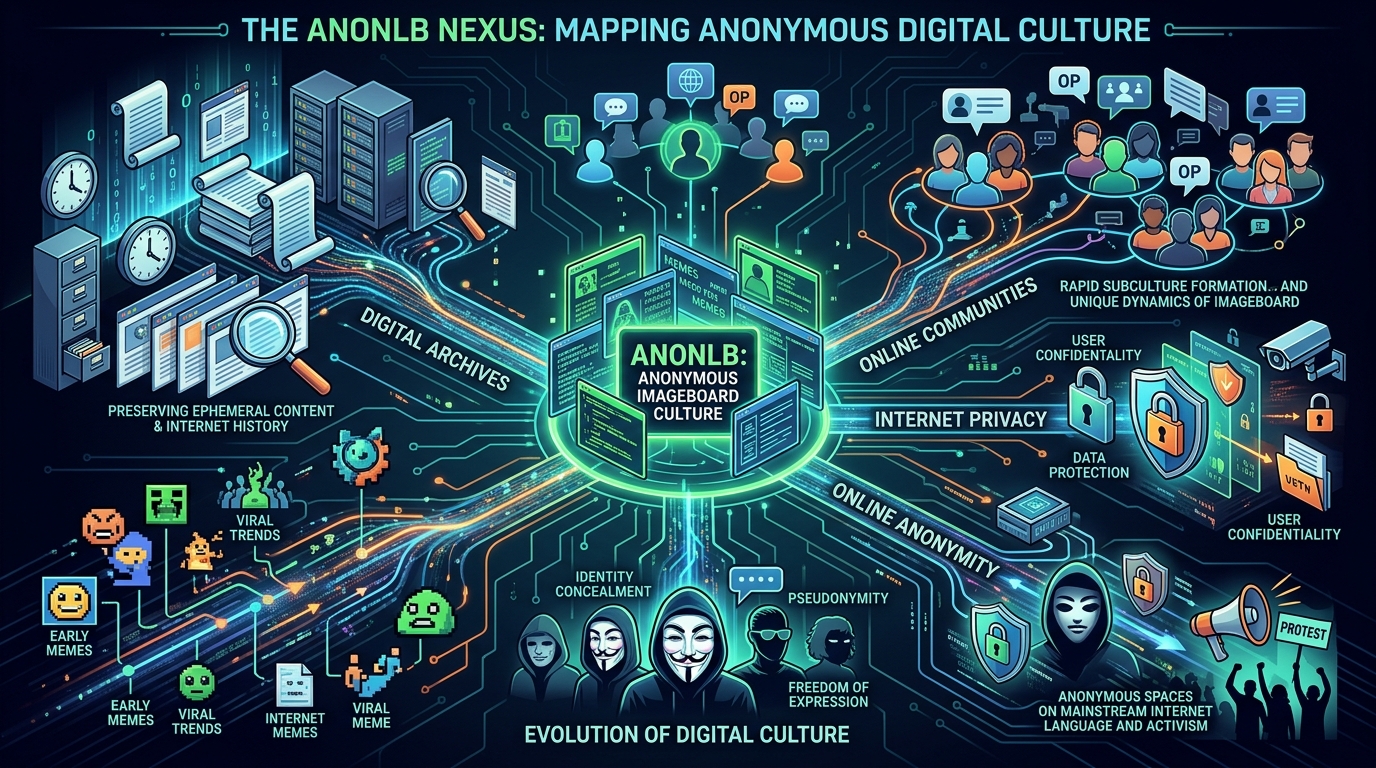
The internet has always been a place of contrasts. It connects people across continents, preserves information that might otherwise disappear, and creates communities around shared interests. At the same time, it raises difficult questions about privacy, anonymity, and digital responsibility. Discussions surrounding anonlb often emerge within this broader conversation about how online communities operate and how digital archives shape the modern internet experience.
As technology continues to evolve, the way people share information, communicate anonymously, and preserve digital content has become increasingly complex. Platforms, forums, and community-driven archives have transformed from niche corners of the web into significant parts of digital culture. Understanding anonlb within this context offers valuable insight into the challenges and opportunities created by today’s interconnected online world.
The Rise of Digital Archives
Digital archives have become one of the internet’s most important functions. Every day, vast amounts of information are created, shared, and stored online. From social media posts and discussion forums to research papers and multimedia content, digital archives serve as repositories that preserve information for future access.
Historically, preserving information required physical storage such as books, newspapers, or institutional records. The digital era changed this model dramatically. Today, content can be archived instantly and accessed globally. This shift has democratized information preservation, allowing individuals and communities to contribute to collective digital memory.
The concept associated with anonlb is often discussed in relation to how online communities collect, organize, and reference content. Digital archives help users revisit discussions, analyze trends, and understand the evolution of internet culture. However, they also create concerns about permanence, consent, and the long-term availability of personal information.
How Online Communities Shape Internet Culture
Online communities have become powerful forces in shaping public conversations. Unlike traditional media, internet communities allow users to participate directly in discussions, contribute content, and influence trends.
Whether centered around technology, entertainment, hobbies, or professional interests, these communities create shared spaces where people exchange ideas and experiences. The growth of anonymous and semi-anonymous platforms has further expanded opportunities for participation by reducing barriers associated with identity and social status.
Anonlb is frequently referenced in conversations about how communities manage content, establish norms, and navigate privacy concerns. These discussions highlight the balance between open participation and responsible moderation.
The success of any online community depends on trust. Users must feel comfortable sharing information while believing that their privacy and security are respected. As communities grow larger, maintaining that balance becomes increasingly difficult.
The Role of Anonymity in Online Spaces
Anonymity has been a defining characteristic of many internet communities. From the earliest message boards to modern discussion platforms, users have often valued the ability to communicate without revealing personal identities.
There are many legitimate reasons people seek anonymity online. Journalists may protect sources, professionals may discuss industry issues openly, and individuals may explore sensitive topics without fear of judgment. Anonymity can encourage honest conversations and diverse perspectives.
However, anonymity also introduces challenges. Without accountability, some users may engage in harmful behavior, misinformation, or privacy violations. As a result, platform operators often face difficult decisions about moderation policies and community guidelines.
The relationship between anonymity and accountability remains one of the most debated topics in digital culture. Discussions involving anonlb frequently intersect with these broader questions about how online platforms can protect free expression while minimizing harm.
Digital Privacy in the Modern Era
Privacy has become one of the defining issues of the digital age. Every online interaction generates data, from browsing habits and search queries to social media activity and location information.
Many users are unaware of how much information they share online. Even seemingly insignificant details can contribute to comprehensive digital profiles. As organizations collect and analyze increasing amounts of data, concerns about surveillance, tracking, and personal information management continue to grow.
Understanding privacy requires recognizing that digital footprints are often permanent. Information shared today may remain accessible for years, sometimes long after users expect it to disappear.
The conversation surrounding anonlb highlights the importance of digital awareness. Whether participating in forums, uploading content, or engaging with online communities, users benefit from understanding how information may be stored, archived, and distributed.
Digital Archives and Privacy: A Delicate Balance
One of the most significant challenges facing the internet is balancing archival preservation with personal privacy. Digital archives provide valuable historical records, support research, and preserve cultural conversations. At the same time, archived content can raise concerns when personal information remains accessible indefinitely.
The debate often centers on competing values. On one side is the importance of preserving information for transparency, education, and historical understanding. On the other side is the individual’s right to privacy and control over personal data.
This tension has led policymakers, technology companies, and privacy advocates to explore solutions that respect both objectives. Concepts such as data minimization, consent based sharing, and content removal requests have become increasingly important in digital governance discussions.
Key Elements of Digital Communities and Privacy
| Element | Purpose | Privacy Consideration |
|---|---|---|
| Digital Archives | Preserve online content | Long-term accessibility of information |
| Online Communities | Facilitate discussions and collaboration | User identity protection |
| Anonymous Participation | Encourage open communication | Potential misuse and moderation challenges |
| Data Collection | Improve platform functionality | User consent and transparency |
| Content Sharing | Expand information exchange | Control over personal information |
This framework illustrates how interconnected these elements have become. Decisions regarding one aspect often influence outcomes across the entire digital ecosystem.
The Evolution of Internet Governance
As online communities continue to expand, governance models have become increasingly sophisticated. Early internet platforms often relied on minimal moderation and informal rules. Modern platforms, however, face growing expectations regarding user safety, content moderation, and privacy protection.
Governments worldwide have introduced regulations designed to enhance transparency and strengthen data protection. Organizations have responded by updating privacy policies, improving security measures, and providing users with greater control over their information.
These developments reflect a broader recognition that digital environments require thoughtful governance. Communities thrive when users understand expectations and trust that platforms will act responsibly.
The discussions associated with anonlb often reflect this larger evolution, emphasizing the importance of balancing openness, privacy, and accountability within digital spaces.
Building Better Digital Literacy
One of the most effective ways to address privacy concerns is through digital literacy. Users who understand how online systems operate are better equipped to make informed decisions about their participation.
Digital literacy extends beyond technical skills. It includes understanding privacy settings, evaluating information sources, recognizing potential risks, and managing personal data responsibly.
Educational initiatives have increasingly focused on helping individuals navigate the complexities of modern internet use. As digital technologies become more integrated into daily life, these skills are becoming essential for everyone, from students and professionals to entrepreneurs and business leaders.
Greater awareness can help users engage confidently with online communities while protecting their privacy and maintaining control over their digital identities.
Looking Ahead
The future of digital archives, online communities, and internet privacy will likely be shaped by technological innovation, evolving regulations, and changing user expectations. Artificial intelligence, decentralized platforms, and advanced data management systems are already influencing how information is stored and shared online.
At the same time, privacy concerns are unlikely to disappear. As digital interactions become more deeply embedded in everyday life, users will continue to seek greater transparency, security, and control over their personal information.
The ongoing conversation around anonlb serves as a reminder that the internet is not simply a technological system. It is a social environment where issues of identity, privacy, community, and responsibility intersect. Understanding these dynamics helps individuals and organizations navigate the digital world more effectively.
Conclusion
Anonlb represents a broader discussion about the relationship between digital archives, online communities, and internet privacy. As information becomes increasingly accessible and interconnected, the need for responsible data practices and informed digital participation grows more important.
Digital archives preserve knowledge, online communities foster collaboration, and privacy safeguards individual rights. Balancing these priorities remains one of the defining challenges of the modern internet. By understanding how these elements interact, users can participate more confidently in digital spaces while contributing to a healthier and more responsible online ecosystem.