
 By Aliza Beth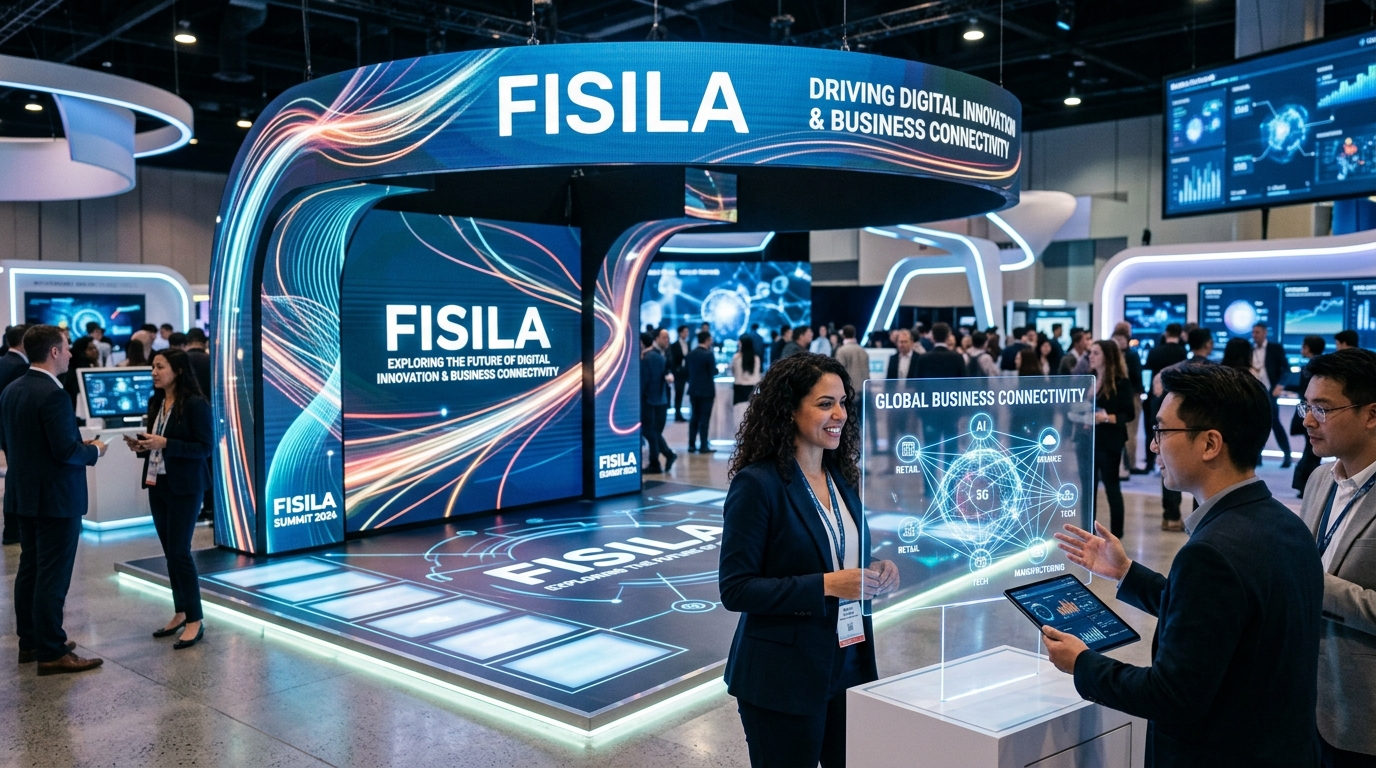
In the early days of every technological shift, there are platforms that quietly emerge, solving problems that many businesses do not yet realize they have. Entrepreneurs searching for efficiency, startups looking for scalability, and organizations attempting to modernize their operations often discover these solutions before they become mainstream. Fisila is one of those names increasingly appearing in conversations about digital transformation, business connectivity, and modern innovation.
As industries become more interconnected and technology continues to reshape how organizations operate, the demand for flexible and intelligent platforms has grown significantly. Businesses are no longer searching for isolated tools; they want integrated ecosystems capable of supporting growth, collaboration, and efficiency. This is where Fisila enters the discussion, representing a new generation of digital solutions designed to bridge gaps between technology and business needs.
Understanding Fisila
Fisila can be viewed as a modern digital platform focused on simplifying complex processes while enabling businesses to operate more effectively in a connected world. In an era where organizations rely on multiple software systems, communication channels, and data sources, maintaining efficiency can be challenging.
The value of platforms like Fisila lies in their ability to streamline workflows, improve collaboration, and create seamless user experiences. Whether used by startups, growing enterprises, or technology-driven organizations, such solutions aim to eliminate unnecessary friction and allow teams to focus on strategic objectives rather than administrative burdens.
What makes modern platforms increasingly important is their adaptability. Businesses today face constantly changing market conditions, customer expectations, and technological advancements. A flexible system capable of evolving alongside these changes provides a significant competitive advantage.
The Growing Need for Digital Transformation
The rise of digital transformation is not simply a trend; it represents a fundamental shift in how businesses operate. Companies across industries have realized that traditional processes often limit productivity and hinder innovation.
Digital transformation involves integrating technology into every aspect of an organization. This process affects customer interactions, internal workflows, decision-making systems, and long-term business strategies. Platforms such as Fisila contribute to this transformation by providing tools that help organizations modernize without disrupting daily operations.
The challenge many businesses face is not a lack of technology but an overwhelming abundance of options. Organizations frequently struggle to connect multiple systems, manage data effectively, and maintain operational efficiency. The right platform serves as a unifying layer, bringing these elements together into a cohesive environment.
Key Areas Where Fisila Creates Value
Modern digital platforms are often evaluated based on their ability to address practical business challenges. While specific implementations may vary, the following areas highlight where solutions like Fisila can make a meaningful impact.
| Business Challenge | Potential Solution Through Fisila | Expected Outcome |
|---|---|---|
| Fragmented workflows | Centralized management tools | Improved efficiency |
| Communication gaps | Integrated collaboration features | Better teamwork |
| Data silos | Unified information access | Faster decision-making |
| Scalability concerns | Flexible infrastructure | Sustainable growth |
| Process inefficiencies | Workflow automation | Reduced operational costs |
The table illustrates how digital platforms can transform common organizational challenges into opportunities for growth and improvement.
Why Businesses Prioritize Connectivity
Connectivity has become one of the defining characteristics of successful organizations. Businesses no longer operate within isolated departments or standalone systems. Instead, they function within networks of employees, customers, partners, and technologies.
Fisila reflects this shift toward connected ecosystems. By enabling information to flow more efficiently between systems and stakeholders, organizations gain greater visibility into their operations. Improved visibility leads to better decision-making, stronger customer experiences, and increased organizational agility.
Connectivity also supports innovation. When teams can collaborate effectively and access information without barriers, they are more likely to develop creative solutions and identify new opportunities. This dynamic environment becomes essential for businesses operating in competitive markets.
The Role of Automation in Modern Organizations
Automation has evolved from a luxury to a necessity. Companies seeking long-term growth increasingly rely on automated processes to reduce repetitive tasks and improve consistency.
Platforms such as Fisila align with this trend by supporting automation across various business functions. From workflow management to data processing, automation allows organizations to allocate resources more effectively.
The benefits extend beyond cost savings. Automated systems reduce the likelihood of human error, improve operational speed, and create more predictable outcomes. Employees can then focus on strategic initiatives, customer relationships, and innovation rather than routine administrative work.
As automation technologies continue advancing, businesses that adopt them early often gain significant advantages over competitors that remain dependent on manual processes.
Fisila and the Modern Customer Experience
Customer expectations have changed dramatically over the past decade. Today’s consumers expect speed, personalization, and seamless interactions across every touchpoint.
Meeting these expectations requires more than excellent products or services. Businesses need systems capable of delivering consistent experiences while gathering valuable customer insights.
Fisila contributes to this objective by supporting the integration of customer-facing and operational processes. When organizations have access to accurate data and efficient workflows, they can respond more effectively to customer needs.
A positive customer experience often becomes a powerful differentiator. Companies that successfully anticipate and address customer expectations are more likely to build loyalty, generate referrals, and strengthen their market position.
Innovation as a Competitive Advantage
Innovation is frequently discussed in business circles, but sustaining innovation requires the right environment. Organizations must create systems that encourage experimentation, collaboration, and continuous improvement.
Digital platforms play an important role in enabling this environment. By reducing operational complexity, they free teams to focus on innovation rather than administrative challenges.
Fisila represents the broader movement toward technology-driven innovation. Businesses that embrace adaptable digital solutions position themselves to respond quickly to emerging opportunities and industry changes.
Innovation is not limited to product development. It can occur within customer service, operational processes, employee experiences, and business models. The ability to innovate consistently often determines long-term success.
Security and Reliability in the Digital Age
As organizations become increasingly dependent on technology, security and reliability become essential considerations. Data breaches, operational disruptions, and system failures can have significant consequences.
Any modern platform must prioritize secure operations and dependable performance. Businesses need confidence that their systems can support critical functions while protecting sensitive information.
The emphasis on security extends beyond technical safeguards. It also includes governance, compliance, risk management, and organizational awareness. Companies that invest in secure digital infrastructure create stronger foundations for sustainable growth.
Reliability is equally important. Organizations require platforms that perform consistently, support scalability, and adapt to changing demands without compromising performance.
The Future Outlook for Fisila
The future of business technology will likely be defined by greater integration, increased automation, and more intelligent systems. Organizations will continue seeking solutions that simplify complexity while enabling innovation.
Fisila fits within this broader technological evolution. As businesses become more data-driven and digitally connected, the demand for flexible platforms will continue growing.
Emerging technologies such as artificial intelligence, advanced analytics, and cloud-based infrastructure are expected to shape the next generation of digital ecosystems. Platforms capable of incorporating these innovations will remain relevant in an increasingly competitive landscape.
Businesses that prioritize adaptability today will be better prepared for tomorrow’s challenges. This mindset applies not only to technology investments but also to organizational culture and strategic planning.
Conclusion
Fisila represents more than a digital platform; it reflects the changing nature of modern business. Organizations are increasingly focused on connectivity, efficiency, innovation, and scalability. To achieve these goals, they require solutions capable of integrating diverse systems and supporting long-term growth.
As digital transformation continues accelerating, platforms that simplify operations and enhance collaboration will become increasingly valuable. Whether viewed through the lens of automation, customer experience, innovation, or business connectivity, Fisila embodies many of the characteristics that define successful digital ecosystems.
The organizations that thrive in the coming years will be those that embrace adaptable technologies while remaining focused on delivering value to customers and stakeholders. In that context, Fisila serves as an example of how modern platforms can help bridge the gap between technological potential and business success.