
 By Aliza Beth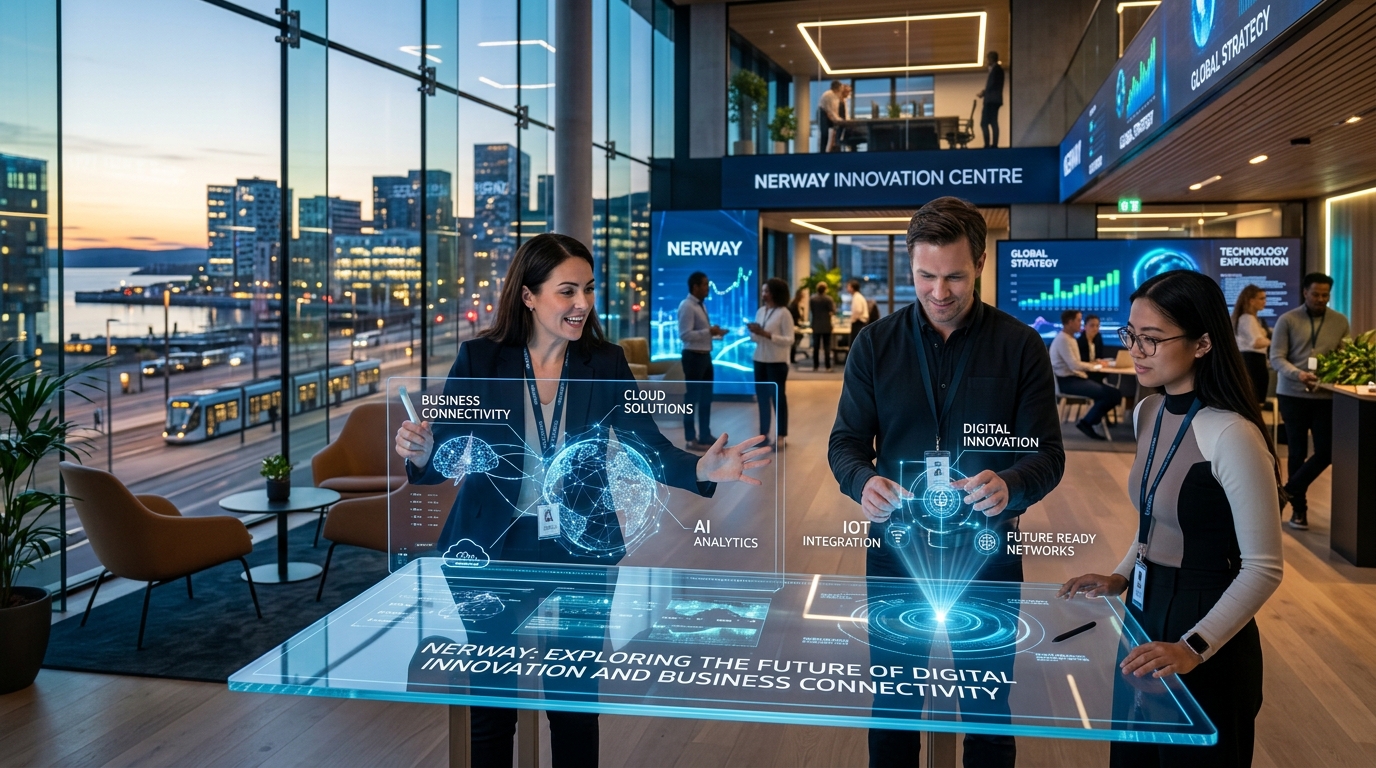
On a rainy afternoon in a bustling city, a startup founder sat staring at a dashboard filled with disconnected tools. Customer data lived in one system, project management in another, communication in several more. Each platform worked independently, yet none truly worked together. The challenge was not a lack of technology but a lack of connection. This scenario reflects a growing reality in the modern business world and helps explain the rising interest in concepts like Nerway, which symbolize the pursuit of smarter digital innovation and seamless business connectivity.
As organizations continue to navigate an increasingly digital economy, the need for integrated solutions has become more urgent than ever. Businesses are no longer searching for technology simply to automate tasks. They are looking for systems that create meaningful connections between people, data, processes, and opportunities. Nerway represents this broader movement toward a future where innovation and connectivity work hand in hand to drive sustainable growth.
The Evolution of Digital Business
The digital transformation journey has evolved significantly over the past two decades. Early efforts focused primarily on digitizing existing processes. Companies replaced paper records with databases, introduced email communication, and adopted enterprise software to improve efficiency.
Today, digital transformation means something far more comprehensive. It involves creating intelligent ecosystems where information flows seamlessly across every part of an organization. Businesses now compete not only on products and services but also on how effectively they use technology to deliver value.
This shift has changed the way leaders think about innovation. Instead of implementing isolated solutions, organizations increasingly prioritize platforms and strategies that foster collaboration, adaptability, and long-term scalability. The growing attention surrounding Nerway reflects these changing priorities.
Why Connectivity Has Become a Strategic Advantage
Modern businesses operate within complex networks that include employees, customers, suppliers, partners, and technology providers. Every interaction generates valuable information, and every connection creates potential opportunities.
However, many organizations still struggle with fragmented systems. Information becomes trapped within departments, communication slows down, and decision-making suffers. These challenges can limit growth even when businesses have access to advanced technology.
Connectivity solves this problem by creating bridges between systems and stakeholders. When data moves freely and communication flows efficiently, organizations gain a clearer understanding of their operations. Teams collaborate more effectively, leaders make informed decisions, and customers receive better experiences.
This emphasis on interconnected business environments lies at the heart of digital innovation and helps explain why concepts associated with Nerway continue to attract attention.
Understanding the Role of Innovation
Innovation is often misunderstood as the pursuit of groundbreaking inventions. While disruptive technologies certainly play an important role, innovation frequently emerges through continuous improvement.
Businesses that innovate successfully focus on enhancing processes, improving customer experiences, and creating smarter ways of working. These improvements may appear small individually, but together they can transform organizational performance.
The most successful companies view innovation as an ongoing journey rather than a one-time initiative. They invest in technologies that support adaptability and encourage a culture of experimentation.
The principles reflected in Nerway align with this perspective, emphasizing practical innovation that delivers measurable value while preparing organizations for future opportunities.
The Building Blocks of Digital Connectivity
Creating a connected business environment requires more than technology alone. Organizations must combine infrastructure, strategy, and culture to achieve meaningful results.
The following table highlights key elements that contribute to successful digital connectivity:
| Component | Purpose | Business Benefit |
|---|---|---|
| Data Integration | Connects information sources | Improves visibility and decision-making |
| Cloud Infrastructure | Enables flexible access | Supports scalability and remote work |
| Automation Tools | Streamlines workflows | Increases efficiency and productivity |
| Collaboration Platforms | Enhances communication | Strengthens teamwork and coordination |
| Analytics Systems | Generates insights | Supports strategic planning |
When these components work together, businesses can create environments that support innovation while maintaining operational efficiency.
Data as the Engine of Modern Organizations
Data has become one of the most valuable assets in today’s economy. Every customer interaction, transaction, and operational process generates information that can inform better decisions.
Yet data alone does not create value. Organizations must be able to collect, organize, analyze, and act upon the information they receive. This requires systems capable of integrating data from multiple sources and presenting it in meaningful ways.
Companies that successfully leverage data often gain significant competitive advantages. They understand customer preferences more deeply, identify emerging trends earlier, and respond to challenges more effectively.
The growing focus on intelligent data management aligns closely with the broader digital transformation themes associated with Nerway.
Customer Experience in a Connected World
Customer expectations have changed dramatically in recent years. Consumers now expect personalized interactions, immediate responses, and seamless experiences across multiple channels.
Whether engaging through websites, mobile applications, social media platforms, or physical locations, customers expect consistency and convenience. Meeting these expectations requires a high level of connectivity behind the scenes.
Integrated digital systems allow businesses to maintain a unified view of customer interactions. This visibility enables more personalized service, faster problem resolution, and stronger long-term relationships.
Organizations that prioritize customer-centric connectivity are often better positioned to build loyalty and differentiate themselves in competitive markets.
The Rise of Agile Organizations
Business environments are changing faster than ever before. Economic shifts, technological advancements, and evolving consumer behaviors require organizations to remain flexible and responsive.
Agility has become a critical business capability. Agile organizations can adapt quickly to new opportunities and challenges without disrupting core operations.
Technology plays a central role in enabling this flexibility. Cloud platforms, automated workflows, and integrated communication systems allow businesses to scale efficiently while maintaining operational control.
The concepts associated with Nerway reflect this emphasis on adaptability, encouraging organizations to build digital foundations that support continuous evolution.
Collaboration Beyond Traditional Boundaries
The workplace has undergone significant transformation. Remote teams, hybrid work arrangements, and global collaboration have become common features of modern business.
This new environment demands more sophisticated approaches to communication and coordination. Employees must be able to access information, collaborate on projects, and share insights regardless of location.
Digital connectivity enables these interactions by creating unified environments where teams can work together effectively. Rather than relying on fragmented communication channels, organizations can establish streamlined workflows that support productivity and innovation.
The ability to connect people across geographical and organizational boundaries represents one of the most significant advantages of modern digital infrastructure.
Security in an Interconnected Ecosystem
As connectivity increases, so does the importance of security. Organizations must protect sensitive information while ensuring authorized users can access the resources they need.
Cybersecurity has become a fundamental component of business strategy. Data breaches, cyberattacks, and regulatory requirements create risks that cannot be ignored.
Successful organizations approach security as an ongoing process rather than a one-time project. They invest in secure infrastructure, employee education, risk management, and continuous monitoring.
A strong security framework supports trust, which remains essential for both customer relationships and business growth in connected digital environments.
Emerging Technologies Shaping the Future
Several technologies are accelerating the next phase of digital transformation. Artificial intelligence, machine learning, automation, and advanced analytics are enabling businesses to operate with greater intelligence and efficiency.
These technologies help organizations identify patterns, automate routine tasks, and make more informed decisions. Combined with connected digital ecosystems, they create powerful opportunities for innovation.
The future will likely see even deeper integration between technology platforms, resulting in more responsive and adaptive business environments. Companies that embrace these developments proactively will be better equipped to navigate future challenges and opportunities.
The Strategic Value of Long-Term Digital Vision
While technology evolves rapidly, successful digital transformation requires a long-term perspective. Organizations must look beyond immediate gains and consider how today’s investments will support tomorrow’s goals.
This involves creating scalable systems, fostering a culture of innovation, and maintaining a commitment to continuous improvement. Businesses that develop a clear digital vision often achieve stronger outcomes than those focused solely on short-term implementation.
The growing relevance of Nerway reflects the importance of this strategic mindset. It symbolizes a broader commitment to building connected, innovative, and future-ready organizations.
Conclusion
The future of business belongs to organizations that understand the power of connection. Technology alone does not drive transformation; value emerges when people, systems, and information work together seamlessly. Nerway represents this evolving vision of digital innovation and business connectivity.
As industries continue adapting to rapid technological change, the ability to create integrated ecosystems will become increasingly important. Businesses that invest in connectivity, innovation, and adaptability will be better positioned to serve customers, empower employees, and achieve sustainable growth.
In the years ahead, digital transformation will continue reshaping how organizations operate. The principles associated with Nerway offer valuable insight into this journey, highlighting the importance of intelligent connectivity, strategic innovation, and collaborative growth in a rapidly changing world.