
 By Aliza Beth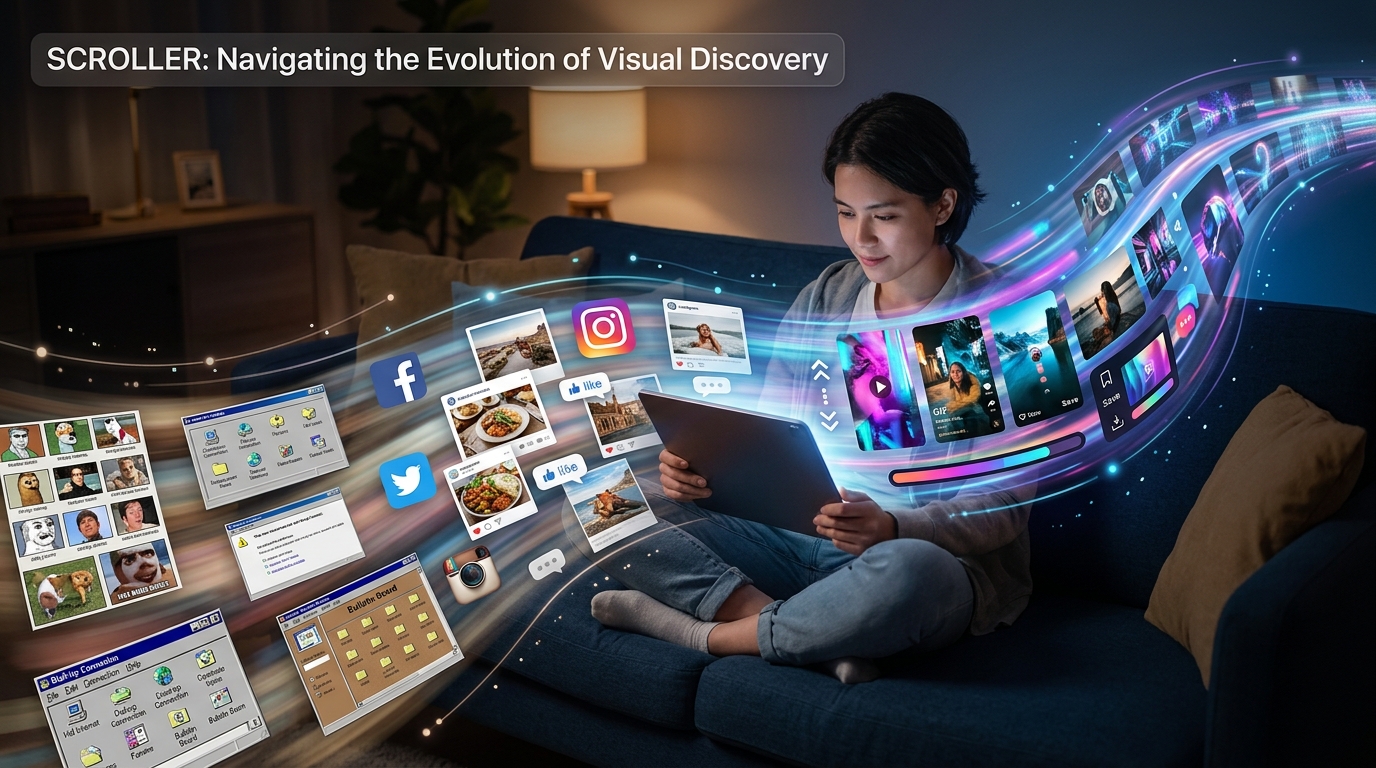
The internet has transformed the way people consume information, entertainment, and visual media. A decade ago, discovering engaging images and videos often required jumping between multiple websites, forums, and social platforms. Today, users expect seamless browsing experiences that deliver relevant content instantly. This shift has given rise to platforms designed specifically for visual discovery, and Scrolller has emerged as one of the notable names in this space.
At its core, Scrolller represents a broader trend in digital content consumption. Modern internet users increasingly prefer intuitive, image-driven experiences over traditional text-heavy browsing. Whether someone is looking for entertainment, inspiration, trends, or niche online communities, visual discovery platforms have become an essential part of the online ecosystem.
The story of Scrolller is not simply about a website. It reflects changing user behavior, advances in content organization, and the growing demand for personalized browsing experiences. Understanding how platforms like Scrolller fit into today’s digital landscape offers valuable insight into the future of online engagement.
The Rise of Visual-First Internet Experiences
The modern internet is increasingly visual. Social media networks, content sharing platforms, and digital publishers have all adapted to this reality. Images and short form videos now dominate user attention across nearly every industry.
This transformation has been driven by several factors. First, visual content can communicate information faster than text. Second, mobile devices have made image and video consumption more convenient than ever. Finally, advancements in algorithms and recommendation systems allow platforms to deliver highly relevant content tailored to individual preferences.
Scrolller entered this environment at a time when users were actively seeking alternatives to conventional content discovery methods. Rather than relying solely on social feeds or search engines, many internet users wanted a streamlined way to browse visual content organized around specific interests and communities.
The platform’s approach reflects a larger movement toward content curation, where discovery becomes as important as creation. Users increasingly value platforms that help them find relevant material quickly without overwhelming complexity.
What Makes Scrolller Different?
One of the defining characteristics of Scrolller is its emphasis on continuous browsing. Instead of presenting users with rigid navigation structures, the platform encourages exploration through an endless scrolling experience.
This design philosophy aligns with broader digital consumption habits. People often visit content platforms not with a specific goal in mind but with a desire to discover something interesting. Infinite scrolling mechanisms support this behavior by reducing friction and creating a more immersive experience.
Another distinguishing factor is the organization of content around communities and interests. Rather than functioning as a traditional search engine, Scrolller acts as a discovery layer that helps users navigate visual content efficiently.
The platform’s interface also prioritizes simplicity. In an era where many digital products are packed with features and distractions, minimalist design can become a competitive advantage. Users appreciate experiences that allow them to focus on content rather than navigating complicated menus or settings.
Understanding the Appeal of Content Discovery Platforms
The popularity of content discovery platforms stems from a fundamental aspect of human psychology: curiosity.
People enjoy uncovering new ideas, trends, and visual experiences. Digital platforms that facilitate discovery tap into this natural desire. The process feels less like searching for information and more like exploration.
Scrolller benefits from this dynamic by providing a browsing environment where content appears continuously and organically. Users may arrive with one interest and gradually discover related topics, communities, or visual styles.
This behavior mirrors trends observed across numerous digital industries. Streaming services recommend new shows, music platforms suggest artists, and e-commerce sites highlight related products. Discovery has become a central component of user engagement strategies.
Key Characteristics of Modern Content Discovery Platforms
| Feature | Purpose | User Benefit |
|---|---|---|
| Infinite Scrolling | Continuous content presentation | Seamless browsing experience |
| Community-Based Organization | Content grouped by interests | Easier discovery of relevant material |
| Visual-First Design | Emphasis on images and media | Faster content consumption |
| Personalized Exploration | Encourages topic discovery | Increased engagement |
| Minimal Navigation Friction | Reduces complexity | More intuitive user experience |
The table illustrates how platforms focused on discovery prioritize user convenience and engagement. These elements collectively contribute to longer session durations and higher levels of interaction.
The Role of Communities in Digital Engagement
One reason platforms like Scrolller attract attention is their connection to online communities. The internet has evolved from a collection of websites into a network of interconnected communities where people gather around shared interests.
Communities provide context for content. An image or video often becomes more meaningful when viewed within a group that understands its relevance, humor, or significance. This social dimension enhances the browsing experience and encourages repeat visits.
Digital communities also influence trends, memes, and cultural conversations. Content that gains traction within a niche group can quickly spread to wider audiences. Discovery platforms serve as gateways to these emerging trends, helping users stay connected to evolving online culture.
For entrepreneurs, marketers, and content creators, understanding community-driven engagement has become increasingly important. Successful digital strategies often rely on recognizing how communities shape content consumption patterns.
Scrolller and the Future of User Experience Design
User experience design continues to evolve alongside consumer expectations. Platforms that succeed in the coming years will likely share several characteristics: simplicity, personalization, speed, and accessibility.
Scrolller reflects many of these priorities. Its browsing-focused structure removes unnecessary barriers between users and content. This approach aligns with modern expectations, where convenience often determines whether a platform gains long-term adoption.
The future of digital platforms will likely involve even more sophisticated recommendation systems. Artificial intelligence and machine learning technologies are already helping platforms understand user preferences with remarkable accuracy.
As these technologies advance, discovery experiences may become increasingly personalized. Users could encounter content tailored not only to their interests but also to their browsing patterns, engagement history, and evolving preferences.
This shift presents both opportunities and challenges. While personalization improves relevance, platforms must also ensure users continue encountering diverse perspectives and unexpected discoveries.
The Business Perspective Behind Visual Discovery
From a business standpoint, content discovery platforms occupy an important position within the digital economy. Attention has become one of the most valuable resources online, and platforms compete intensely to capture and retain it.
Visual content is particularly effective at attracting user attention. Research consistently shows that people process visual information faster than written text. As a result, platforms that optimize visual discovery often achieve strong engagement metrics.
For advertisers and brands, this creates opportunities to connect with audiences in more natural ways. Instead of interrupting user experiences, successful digital strategies increasingly integrate with the discovery process itself.
Entrepreneurs studying digital business models can learn valuable lessons from platforms like Scrolller. The emphasis on simplicity, user engagement, and content accessibility demonstrates how thoughtful design can create meaningful value without excessive complexity.
Challenges Facing Content Discovery Platforms
Despite their popularity, content discovery platforms face several challenges.
Content moderation remains one of the most significant issues across the digital landscape. Platforms must balance user freedom with community standards, legal requirements, and brand considerations. Achieving this balance requires ongoing investment in technology, policies, and operational oversight.
Competition is another major factor. The online content ecosystem is crowded with social networks, search engines, video platforms, and niche communities. Users have countless options for discovering content, making differentiation increasingly important.
Privacy concerns also continue to shape the future of digital platforms. As users become more aware of data collection practices, platforms must build trust through transparency and responsible data management.
Finally, maintaining content quality is essential. Discovery platforms thrive when users consistently encounter relevant and engaging material. Poor recommendations or low-quality content can quickly diminish the overall experience.
Why Scrolller Reflects Broader Internet Trends
The significance of Scrolller extends beyond its specific features. It serves as an example of how digital experiences are evolving in response to changing user expectations.
Modern internet users value speed, convenience, and personalization. They want platforms that help them discover content effortlessly while minimizing distractions. These preferences influence product design decisions across industries, from social media and entertainment to e-commerce and education.
The success of discovery focused platforms demonstrates that users increasingly prefer exploration-driven experiences. Rather than actively searching for every piece of information, they appreciate systems that surface relevant content automatically.
This trend is likely to continue as artificial intelligence enhances recommendation capabilities and visual media becomes even more dominant online.
Conclusion
Scrolller represents more than a content browsing platform. It reflects the ongoing evolution of digital media consumption and the growing importance of visual discovery experiences. As users seek faster, simpler, and more engaging ways to explore online content, platforms built around seamless discovery continue to gain relevance.
The broader lessons extend beyond any single website. The future of digital engagement will be shaped by platforms that understand user behavior, prioritize intuitive experiences, and facilitate meaningful exploration. Whether viewed from a technological, cultural, or business perspective, Scrolller highlights how the internet continues to adapt to the changing expectations of modern audiences.
As digital ecosystems become increasingly visual and personalized, content discovery platforms will likely play an even greater role in shaping how people interact with information, communities, and online experiences. Their evolution offers a fascinating glimpse into the future of the connected world.