
 By Aliza Beth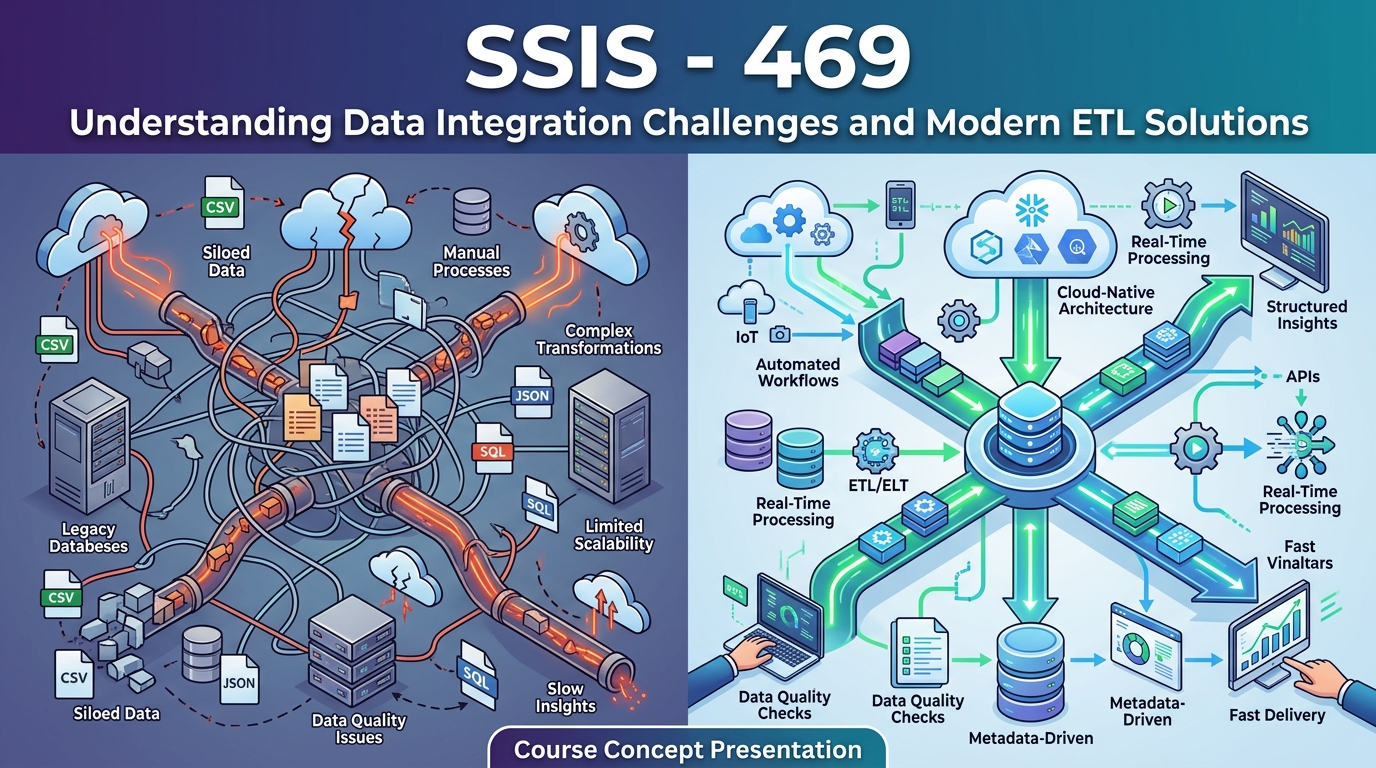
It was nearly midnight when a data engineer at a rapidly growing company received an urgent notification. Critical reports that executives relied on every morning had failed to generate. The issue wasn’t with the dashboard itself, nor was it a problem with the database. Instead, the root cause was hidden deep within a complex data integration process that connected multiple systems across the organization. Situations like this highlight why terms such as have become increasingly relevant among technology professionals seeking to understand and improve modern data workflows.
As businesses generate more information than ever before, managing, transferring, and transforming data has become a strategic necessity rather than a technical luxury. Organizations depend on reliable integration processes to ensure information flows accurately between applications, databases, cloud environments, and analytical platforms. In this context, represents the broader challenges and considerations associated with enterprise data integration, ETL operations, and modern information management.
For technology leaders, developers, and data professionals, understanding these concepts is essential for building scalable systems capable of supporting today’s data-driven economy.
The Growing Importance of Data Integration
Modern organizations rarely operate from a single source of information. Customer data may exist in a CRM platform, financial records may reside in accounting software, marketing metrics could be stored in cloud applications, and operational data may come from multiple internal databases.
Without effective integration, these information silos create inefficiencies and reduce visibility across the business. Teams struggle to access accurate data, reports become inconsistent, and decision-making slows down.
Data integration bridges these gaps by ensuring information moves seamlessly between systems. It enables organizations to consolidate data, maintain consistency, and provide stakeholders with reliable insights.
The increasing complexity of enterprise environments has made integration technologies more important than ever. As companies adopt hybrid infrastructures that combine on-premises systems with cloud-based solutions, the demand for sophisticated integration frameworks continues to grow.
What SSIS Represents in Modern Data Management
SQL Server Integration Services, commonly known as SSIS, has long been recognized as a powerful platform for extracting, transforming, and loading data. It helps organizations automate complex workflows while maintaining consistency across diverse systems.
The reference to can be viewed within the broader context of integration processes, workflow optimization, troubleshooting, and data pipeline management. Whether associated with a specific project, configuration scenario, technical identifier, or operational challenge, it highlights the realities faced by professionals working with enterprise-scale data environments.
Data integration is rarely a simple process. Information often arrives in different formats, structures, and quality levels. Successful implementation requires careful planning, validation, and monitoring to ensure accuracy throughout the workflow.
As organizations continue expanding their digital capabilities, robust integration solutions remain fundamental to operational success.
The Evolution of ETL Technology
Extract, Transform, and Load processes have evolved significantly over the past two decades.
In earlier years, ETL systems focused primarily on moving data from transactional databases into centralized data warehouses. The objective was straightforward: consolidate information for reporting and analysis.
Today’s data landscape is considerably more complex. Businesses collect information from websites, mobile applications, cloud platforms, IoT devices, social media channels, and third-party services. The volume, velocity, and variety of data have increased dramatically.
Modern ETL solutions must accommodate real time processing, advanced transformations, cloud-native architectures, and increasingly sophisticated analytical requirements. These developments have transformed data integration from a back office function into a critical component of business strategy.
Common Challenges in Enterprise Data Integration
Despite advances in technology, organizations continue facing numerous integration challenges.
Data quality remains one of the most significant obstacles. Inaccurate, incomplete, or inconsistent information can undermine reporting accuracy and reduce confidence in business intelligence initiatives.
System compatibility presents another challenge. Different applications often use unique formats, protocols, and structures that require extensive transformation before information can be integrated successfully.
Performance optimization is equally important. As data volumes grow, inefficient workflows can create bottlenecks that impact business operations and analytical processes.
Security considerations add another layer of complexity. Organizations must ensure sensitive information remains protected throughout the integration lifecycle while complying with evolving regulatory requirements.
Understanding these challenges helps technology teams develop more resilient and scalable integration strategies.
Key Components of Effective Data Pipelines
Successful data integration projects depend on several interconnected components working together efficiently.
The extraction phase focuses on collecting information from source systems. During transformation, data is cleaned, standardized, validated, and prepared for its intended use. Finally, the loading process delivers the transformed information to target destinations such as data warehouses, reporting systems, or cloud environments.
Monitoring and governance are equally important. Organizations need visibility into workflow performance, error rates, and system reliability to maintain operational excellence.
The following table highlights the core stages of a modern data pipeline.
| Pipeline Stage | Primary Purpose | Business Impact |
|---|---|---|
| Extraction | Collect data from sources | Ensures access to relevant information |
| Transformation | Standardize and clean data | Improves accuracy and consistency |
| Validation | Verify quality and integrity | Reduces reporting errors |
| Loading | Deliver data to target systems | Supports analytics and operations |
| Monitoring | Track performance and issues | Improves reliability and efficiency |
| Governance | Manage compliance and security | Protects organizational data assets |
Each stage contributes to the overall effectiveness of the integration process.
Why Data Quality Matters More Than Ever
In the era of analytics and artificial intelligence, data quality has become a competitive advantage.
Organizations increasingly rely on predictive models, machine learning systems, and advanced reporting tools to guide decision-making. These technologies are only as effective as the information they receive.
Poor-quality data can result in inaccurate forecasts, operational inefficiencies, and misguided strategic decisions. Conversely, high-quality data enables organizations to uncover insights, improve customer experiences, and identify growth opportunities.
Integration frameworks play a vital role in maintaining data quality by enforcing validation rules, standardization processes, and consistency checks throughout the pipeline.
For technology leaders, investing in data quality is no longer optional it is a foundational requirement for sustainable digital transformation.
Cloud Transformation and the Future of Integration
Cloud computing has fundamentally changed how organizations approach data integration.
Traditional environments often relied on fixed infrastructure and centralized systems. Modern enterprises increasingly operate within distributed ecosystems that span multiple cloud providers, SaaS platforms, and hybrid architectures.
This shift has created new opportunities for scalability, flexibility, and innovation. Cloud-native integration tools can process large volumes of information while adapting dynamically to changing workloads.
At the same time, organizations must manage new challenges related to latency, security, governance, and interoperability.
The future of integration will likely involve greater automation, intelligent workflow optimization, and deeper integration between analytical and operational systems.
Best Practices for Integration Success
Successful integration initiatives require more than technical expertise. They depend on strategic planning, collaboration, and continuous improvement.
Organizations should establish clear objectives before implementing integration projects. Understanding business requirements helps ensure technical solutions align with operational goals.
Documentation is equally important. Well documented workflows simplify troubleshooting, improve maintainability, and support knowledge sharing across teams.
Automation can significantly enhance efficiency by reducing manual intervention and minimizing the risk of human error. Continuous monitoring allows organizations to identify issues proactively and optimize performance over time.
Perhaps most importantly, integration strategies should remain adaptable. Technology evolves rapidly, and organizations must be prepared to adjust their approaches as new tools and requirements emerge.
The Role of Data Integration in Business Intelligence
Business intelligence initiatives depend heavily on reliable integration processes.
Executives, analysts, and operational teams rely on dashboards and reports to understand performance, identify trends, and make informed decisions. Without effective integration, these insights may be incomplete or inaccurate.
Modern integration frameworks ensure information flows consistently across the organization, creating a unified view of business operations. This visibility supports faster decision making and enables organizations to respond more effectively to market changes.
As analytics capabilities continue advancing, the relationship between integration and business intelligence will become even more important.
Looking Ahead
The digital economy continues generating unprecedented amounts of data. Organizations that can effectively integrate, manage, and analyze this information will be better positioned to compete in increasingly complex markets.
The discussion surrounding reflects broader themes shaping modern data management, including workflow reliability, system interoperability, data quality, and operational efficiency. These issues affect organizations across industries and will remain central to digital transformation efforts for years to come.
As technologies evolve, the fundamentals of successful integration will remain consistent: accurate data, efficient processes, scalable architectures, and a commitment to continuous improvement.
Conclusion
serves as a useful lens through which to examine the broader world of data integration and ETL operations. In today’s interconnected business environment, organizations depend on reliable data pipelines to support analytics, decision making, and operational excellence.
From improving data quality and optimizing performance to enabling business intelligence and cloud transformation, integration technologies play a critical role in modern enterprise success. As digital ecosystems continue expanding, organizations that prioritize strong integration strategies will be better equipped to unlock the full value of their data and drive sustainable growth in a rapidly evolving marketplace.