
 By Aliza Beth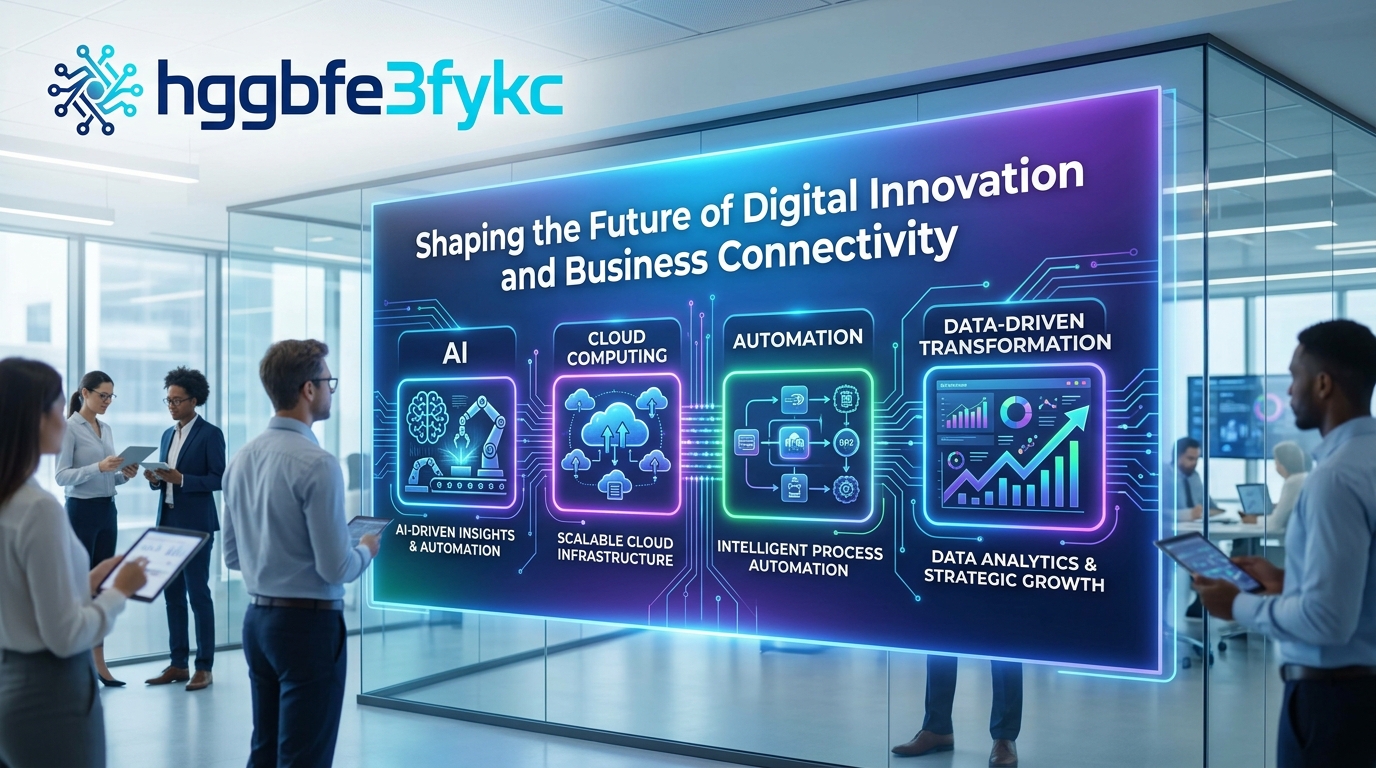
The first time many business leaders encounter a term like hggbfe3fykc, they often assume it is simply another technical code, a placeholder, or an internal project name. Yet in today’s rapidly evolving digital landscape, concepts and identifiers such as hggbfe3fykc increasingly symbolize something much larger: the intersection of innovation, connectivity, and the technologies reshaping how organizations operate.
Businesses across industries are navigating a period of unprecedented transformation. From artificial intelligence and cloud computing to automation and data-driven decision-making, companies are redefining how they connect with customers, employees, and partners. In this environment, hggbfe3fykc serves as a useful lens through which we can explore the broader future of digital innovation and business connectivity.
The Digital Transformation Era
Over the last decade, digital transformation has evolved from a competitive advantage into a business necessity. Organizations that once relied heavily on traditional processes are now investing in technologies that improve efficiency, enhance customer experiences, and unlock new revenue opportunities.
Digital transformation is not merely about adopting software. It is about changing how businesses think, operate, and create value. Companies are integrating technology into every aspect of their operations, from marketing and customer service to supply chain management and product development.
The growing significance of hggbfe3fykc reflects this broader shift. It represents the need for businesses to embrace modern solutions that enable seamless communication, collaboration, and innovation in an increasingly connected world.
Why Connectivity Matters More Than Ever
Connectivity has become the foundation of modern business success. Organizations no longer operate in isolation. They function within complex ecosystems that include customers, suppliers, technology providers, and global markets.
The ability to exchange information quickly and securely is critical. Whether it is a startup coordinating remote teams or a multinational corporation managing global operations, connectivity drives productivity and decision-making.
Modern technologies have transformed expectations. Customers want instant responses, personalized experiences, and uninterrupted service. Employees expect flexible work environments and access to information from anywhere. Businesses that fail to meet these expectations risk losing relevance in highly competitive markets.
This is where concepts associated with hggbfe3fykc become increasingly valuable. They emphasize the importance of creating digital environments that support efficient collaboration and continuous innovation.
The Technologies Powering Business Innovation
Several emerging technologies are shaping the future of digital connectivity and organizational growth. While each serves a unique purpose, together they create a powerful ecosystem for innovation.
Artificial Intelligence
Artificial intelligence is revolutionizing business operations. AI-powered systems can analyze massive datasets, automate repetitive tasks, and provide predictive insights that support strategic decisions.
Companies are using AI to improve customer service through chatbots, personalize marketing campaigns, optimize logistics, and detect potential risks before they become significant problems.
As businesses continue exploring AI capabilities, frameworks like hggbfe3fykc can represent the structured approaches needed to integrate advanced technologies effectively.
Cloud Computing
Cloud computing has become one of the most important pillars of digital transformation. Instead of relying solely on physical infrastructure, businesses can access computing resources through scalable cloud platforms.
Cloud solutions provide flexibility, reduce operational costs, and support remote work environments. They also make it easier for organizations to adopt emerging technologies without significant upfront investments.
The cloud enables businesses to innovate faster while maintaining the agility required in rapidly changing markets.
Internet of Things (IoT)
The Internet of Things connects physical devices to digital networks, creating opportunities for real-time monitoring and data collection.
Manufacturers use connected sensors to improve equipment performance. Retailers track inventory more accurately. Healthcare providers monitor patient health remotely.
The increasing adoption of IoT demonstrates how connectivity extends beyond people and computers, creating intelligent systems that generate valuable insights and improve operational efficiency.
Automation and Robotics
Automation continues to transform industries by streamlining workflows and reducing manual effort.
Businesses are automating routine administrative tasks, customer interactions, and production processes. Robotics further enhances efficiency in manufacturing, logistics, and warehousing operations.
By combining automation with intelligent analytics, organizations can achieve higher productivity while focusing human resources on strategic and creative activities.
The Role of Data in Modern Business
Data has become one of the world’s most valuable resources. Every digital interaction generates information that businesses can analyze to gain deeper insights into customer behavior, market trends, and operational performance.
Organizations that effectively leverage data often outperform competitors because they make more informed decisions. Data-driven strategies enable businesses to identify opportunities, anticipate challenges, and allocate resources more efficiently.
The growing importance of data highlights why structured frameworks like hggbfe3fykc are relevant in discussions about digital innovation. Effective connectivity ensures that information flows seamlessly across departments, enabling organizations to maximize the value of their data assets.
Key Drivers of Future Business Connectivity
The following table highlights some of the primary factors shaping the future of connected business environments.
| Driver | Impact on Businesses |
|---|---|
| Artificial Intelligence | Faster decision-making and automation |
| Cloud Computing | Scalability and operational flexibility |
| IoT Networks | Real-time monitoring and data collection |
| Cybersecurity Solutions | Protection of digital assets and customer trust |
| Data Analytics | Improved strategic planning and insights |
| Remote Collaboration Tools | Enhanced workforce productivity |
These drivers collectively contribute to a more connected and intelligent business ecosystem.
Challenges Along the Digital Journey
Despite the opportunities presented by digital innovation, organizations face significant challenges during transformation efforts.
One of the most pressing concerns is cybersecurity. As businesses become more connected, they also become more vulnerable to cyber threats. Data breaches, ransomware attacks, and system disruptions can have serious financial and reputational consequences.
Another challenge involves change management. Employees may resist new technologies if they are not adequately trained or informed about the benefits. Successful transformation requires leadership commitment, clear communication, and ongoing education.
Integration can also be difficult. Many organizations operate with legacy systems that were not designed to work with modern technologies. Bridging these gaps often requires strategic planning and investment.
The lessons associated with hggbfe3fykc underscore the importance of balancing innovation with practical implementation strategies.
The Human Side of Innovation
Technology often receives most of the attention in discussions about digital transformation, but people remain the driving force behind innovation.
Successful organizations invest not only in technology but also in talent development. Employees need opportunities to learn new skills, adapt to changing environments, and contribute creatively to organizational goals.
Leadership plays a crucial role in fostering innovation. Leaders who encourage experimentation, collaboration, and continuous learning create cultures where new ideas can thrive.
Digital transformation succeeds when technology enhances human capabilities rather than replacing them entirely.
Building Sustainable Digital Ecosystems
Future business success will depend on the ability to build sustainable digital ecosystems. These ecosystems connect people, processes, technologies, and data into cohesive networks that support long term growth.
Organizations must prioritize flexibility, scalability, and resilience. Technologies will continue evolving, and businesses need systems that can adapt to changing requirements.
Sustainability is also becoming increasingly important. Companies are exploring ways to reduce energy consumption, optimize resources, and use technology responsibly. Digital innovation can support these goals through smarter operations and improved efficiency.
The concept of hggbfe3fykc aligns with this broader vision of interconnected systems designed to support both business performance and long-term sustainability.
Looking Ahead
The future of business will be defined by connectivity, intelligence, and adaptability. Organizations that embrace innovation while maintaining a clear strategic focus will be better positioned to thrive in increasingly competitive markets.
Emerging technologies will continue transforming industries, creating opportunities that were unimaginable just a few years ago. Artificial intelligence, cloud platforms, automation, and data analytics will remain central to this evolution.
As businesses navigate this dynamic landscape, the ideas represented by hggbfe3fykc highlight the importance of building strong digital foundations. Connectivity is no longer optional it is a core requirement for growth, innovation, and resilience.
Companies that invest in connected ecosystems, empower their workforce, and embrace technological advancement will be best equipped to shape the future rather than simply react to it. In an age where change is constant, digital innovation and business connectivity are becoming the defining characteristics of lasting success.